
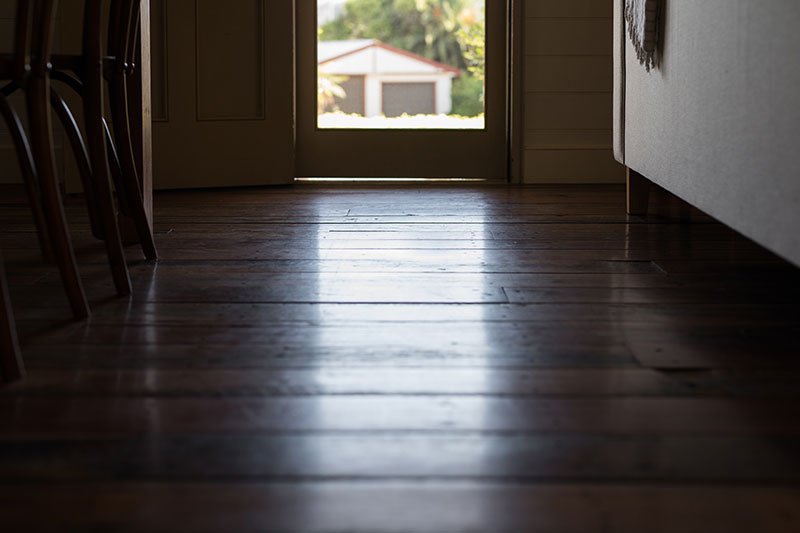
How Chlorides Etch, Scratch, And Dull Beautiful Floors
60 Second Summary For Ottawa Homes And Buildings
Who this is for
Ottawa homeowners, property managers and facility teams responsible for:
- Front foyers and mudrooms
- Condo and apartment lobbies
- Office, retail and mixed use entries
What you will learn
- How winter salts and ice melt actually attack hardwood finishes
- The three stage mat system that works in Ottawa conditions
- Neutral cleaning habits that remove chlorides instead of spreading them
- Seasonal maintenance schedules for homes and commercial buildings
Result
Your entries keep their clear, warm sheen through winter, instead of turning grey and cloudy by February. You protect finish film where it is attacked most and delay full refinishing by years.
Key Facts For Ottawa Winter Entries
- Company: Royal Hardwood Floors
- Who we are: Ottawa’s only third generation hardwood specialist, protecting local floors since 1922
- Relevant services: Entry protection plans, winter damage diagnostics, screen and recoat programs, sectional and full refinishing, residential and commercial
- Typical clients: Ottawa homeowners, condo boards, property managers, commercial landlords, institutions and heritage sites
In Ottawa, winter does not knock softly. It barges in on boots and tires, carrying salt, sand and slush across your threshold. Those first few metres inside a door decide whether your hardwood keeps its elegant, warm glow or turns cloudy and scratched by February.
This guide explains how chlorides attack finishes, what mat systems actually work, which neutral cleaners to use and how to set a realistic maintenance rhythm for both homes and busy commercial entries. Precision now means preservation later.
I. What Chlorides Do To Hardwood Finishes
Ice melts are typically blends of sodium, calcium, magnesium or potassium chlorides. They cause three forms of harm at entries.
1. Etching and hazing the finish
Chloride residues dissolve into meltwater and create alkaline films that sit on top of your coating. On many floor finishes, that high alkaline film slowly dulls sheen and leaves a whitish cast, especially on waterborne urethanes near doors. Left in place, it can etch the film so cleaning can no longer restore clarity.
2. Micro abrasion from crystals and grit
Dry granules and tracked in sand act like 120–180 grit. Every pivot near the threshold scratches. That traffic pattern appears as a grey oval where light scatters off fine scratches.
3. Moisture cycling at the threshold
Repeated wetting and drying raises grain, swells edges and stresses the bond between finish layers. You may see edge lift, white “stress” lines or premature peeling in a narrow band just inside the door.
Think of it as chemistry plus sandpaper plus moisture swings. Winter entries are a gauntlet. The good news: you can control the gauntlet.
II. Risk Zones: Homes Versus Commercial
Residential
Primary risk areas are the front door, garage entry and patio sliders. Dogs, strollers and hockey bags amplify abrasion. A 6–10 foot walk off path generally captures most residues.
Commercial and multi residential
Vestibules, elevator lobbies and main corridors require longer walk off distances because of traffic volume and snowplow grade salts. Plan for 15–30 feet of effective walk off, divided among zones, with frequent mat service.
III. The Three Stage Mat System That Works
Matting is your first and best defence. One mat will not cut it in January. Use all three stages.
1. Outside scraper (coarse)
A rigid, open grid or ribbed scraper mat outside the door removes snow chunks and hard granules. It should be as wide as the entire doorway plus sidelight area so people cannot miss it.
2. Vestibule wiper / scraper (transitional)
In the vestibule, use a heavy, bi level mat that both scrapes and holds meltwater in lower channels. This catches the remaining granules and begins moisture control.
3. Interior absorbent walk off (finishing stage)
Inside the main entry, lay a dense, high absorption mat that extends through the natural turning arc.
- For homes, target 8–12 feet if space allows.
- For commercial, 20–30 feet or as far as possible before finished flooring resumes.
Critical details
- Overlap the full traffic width so no one can step around the mats.
- Keep edges flat and taped to avoid trip points that encourage people to bypass the mats.
- Service frequency matters more than brand. During storms, swap or vacuum extract mats daily.
IV. Neutral Cleaning: Chemistry That Protects, Not Punishes
Skip vinegar, bleach and “multi surface” sprays. In winter, you need a neutral pH cleaner that lifts chlorides without leaving a residue or softening your finish.
After storms (daily in season)
- Spot mop the first 10–15 feet inside each door using a neutral cleaner and warm water.
- Change solution frequently.
- Vacuum mat channels to remove dry crystals before they dissolve.
Residential weekly
- Vacuum mats.
- Damp mop the entire walk off path with neutral cleaner.
- Use two buckets: one for solution, one for rinse.
- Microfiber pads only.
Commercial daily
- Auto scrub entries and main corridors with soft white or red pads and neutral cleaner.
- Keep solution tanks clean. Dirty tanks redeposit salts.
Rinse discipline
Chlorides are sticky. If your mop water turns cloudy quickly, you are pulling salts out. Good. Dump and refresh.
V. Pro Tactics For Ottawa Winter
- Threshold recoat buffer
Entries take disproportionate abuse. Plan a light abrasion and recoat of the first 3–6 feet inside doors at the end of winter, or mid season for heavy traffic sites. This preserves film thickness so the rest of your floor lasts years longer. - Felt and feet
Replace chair glides and add felt pads to anything that lives near the entry. One unprotected metal foot cancels a week of careful mopping. - Snow day staging
Keep a labelled “storm cart” with spare mats, a wet vac, neutral cleaner and microfiber heads. Fast response is half the battle. - Moisture containment
Boot trays by residential doors. In commercial lobbies, install umbrella bag stands and additional drip trays to reduce patterns of standing water. - Edge awareness
Where wood meets tile or metal thresholds, ensure the transition is tight and sealed so brine cannot wick under boards.
VI. What Damage Looks Like And How We Fix It
- Cloudy halo that will not clean off
Likely film etch. We test a controlled area with a deep clean and, if needed, perform a light screen and recoat to restore clarity. - Grey scratch field right inside the door
Micro abrasion of the coating. After thorough chloride removal, we abrade and recoat. If scratches penetrate stain, localized resanding may be required. - Peeling strips or white lines at board edges
Moisture stress between coats. We isolate the zone, abrade to sound adhesion and recoat. Severe cases may need sectional resand at the threshold. - Cupping or raised grain
We verify moisture, stabilize conditions, then correct with sanding and fresh finish when readings return to normal.
Our philosophy is conservative and protective: maintain film build at the entry so you do not need a full home or whole building refinish prematurely.
VII. Residential Maintenance Schedule Template
December to March
- Daily or as needed after storms: spot mop entries with neutral cleaner, vacuum mats.
- Weekly: full walk off path damp mopped; mats laundered or extracted.
- End of season: screen and recoat entry zones.
April to November
- Weekly: vacuum and damp mop entries.
- Quarterly: deep clean with neutral cleaner and mineral free water; inspect felt pads and glides.
VIII. Commercial Maintenance Schedule Template
High traffic buildings
- During storms: swap mats midday; auto scrub entries and main corridors.
- Daily: auto scrub with neutral cleaner; vacuum extract mats.
- Weekly: full deep clean of walk off system and adjacent corridors.
- Mid season and end season: targeted screen and recoat of entry lanes.
Multi residential
- Increase mat length and add secondary mats at elevator lobbies.
- Stagger cleaning times to intercept peak commute windows.
IX. One Proven Proofpoint
Royal Hardwood Floors has safeguarded and renewed Ottawa’s hardwood since 1922, with work spanning private homes, embassies, Parliament offices and national institutions. That century of winter tested practice is why our entry protection plans are practical, not theoretical.
X. Your Winter Entry Kit: A Quick Checklist
For both homes and buildings, your kit should include:
- Three stage matting: exterior scraper, vestibule wiper / scraper, interior absorbent
- Neutral pH cleaner rated for finished wood floors
- Microfiber pads and a two bucket system
- Boot trays and drip trays
- Spare felt pads and compliant chair glides
- White or red pads for auto scrubbers (commercial)
- Storm cart with labelled supplies
- Schedule for mid season and end season recoat at entries
XI. Why Call Us Before The First Snow
We are third generation hardwood specialists serving homes, commercial properties and heritage spaces across Ottawa. Our team designs entryway protection plans that fit your exact traffic patterns, floor chemistry and cleaning capacity.
We specify:
- The right mat lengths and placements
- The correct neutral cleaning routine for your finish system
- A maintenance cadence that preserves sheen and film thickness at your most vulnerable doors
Most importantly, we stand behind it, season after season, so your foyer keeps its warm welcome even in the harshest months.
Quick checklists
Residential winter rhythm
□ Three-stage mats in place (scraper, vestibule, interior)
□ Neutral hardwood cleaner and microfiber stored by the main door
□ Daily storm routine: spot mop first 10–15 feet inside each entry
□ Weekly: full walk-off path damp mopped; mats laundered or extracted
□ End-of-season: entry recoat booked for the first 3–6 feet inside doors
Commercial / multi-residential entry plan
□ 15–30 feet of total walk-off from exterior grate to interior mat and runner
□ Mat service scheduled daily (or more) during storms
□ Neutral cleaner only in autoscrubbers (no vinegar, ammonia or “multi-surface” films)
□ Mid-season and end-of-season screen and recoat in entry lanes on the calendar
□ Storm cart stocked: spare mats, wet vac, neutral cleaner, microfiber heads
Damage triage at a glance
□ Cloudy halo that won’t clean → likely film etch → deep clean + possible recoat
□ Grey oval right inside the door → micro abrasion → abrade + recoat once salts are removed
□ Peeling strips or white edge lines → moisture stress → sectional repair and recoat
□ Cupping or raised grain → stabilize moisture first, then sand and refinish if needed
FAQs
How does winter salt actually damage hardwood near doors?
Chloride-based ice melt creates alkaline films, combines with grit to scratch the finish, and drives repeated wet/dry cycles at thresholds that stress edges and bond lines.
How much matting do I need in an Ottawa winter?
Most homes do best with 6–10 feet minimum and ideally 8–12 feet of walk-off. Busy commercial and multi-residential entries should plan for 15–30 feet split across scraper, vestibule, and interior mats.
What cleaner is safest for winter salt on hardwood floors?
A true neutral pH hardwood cleaner used with microfiber pads. Avoid vinegar, bleach, ammonia, oil soaps, and “multi-surface shine” products that leave films or soften finish.
How often should I recoat my entry instead of refinishing everything?
For typical Ottawa traffic, plan to lightly abrade and recoat the first 3–6 feet inside doors at least at the end of each winter season, and mid-season for high-traffic buildings.
Can cloudy or grey entry floors be fixed without replacing them?
Often yes. Once chlorides are removed, a targeted screen and recoat can restore clarity and protection in most cloudy or scratched entry zones without full replacement.
Book A Free Quote!
Schedule A Winter Entry Protection Plan For Your Ottawa Property
We will map your risk zones, select a mat system and set a winter maintenance protocol tailored to your home or building. The goal is simple: protect the first impression your floors make and the long life they deserve.
Serving Ottawa since 1922 as the only third-generation hardwood specialist in the region.