
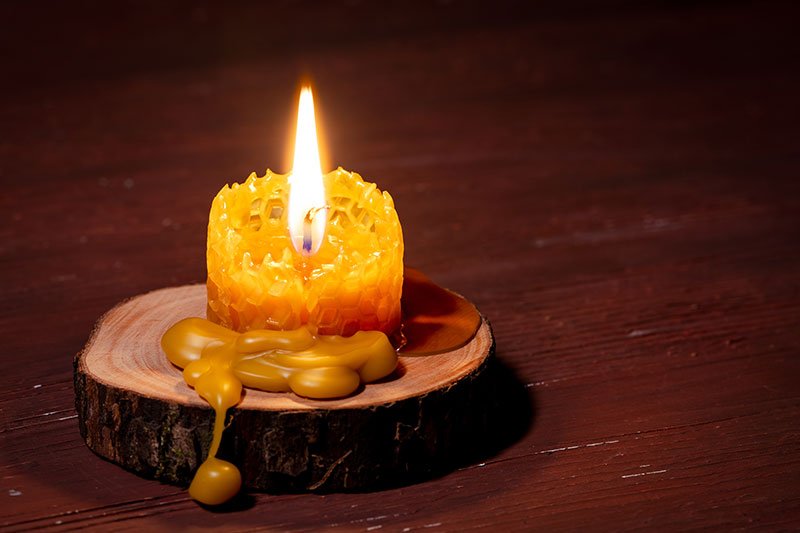
Candlelight flatters wood grain, softens a room, and raises the risk of drips that find your floors on cold nights.
The wax itself is rarely the villain. The real damage is the cloudy halo that follows the wrong heat, the wrong solvent, or a heavy hand. In winter, low humidity, snow glare, and cold substrates make finishes more sensitive. Here is a precise, Ottawa specific guide for homeowners, condo owners, heritage homeowners, commercial clients, and property managers to remove candle wax safely while preserving clarity and sheen.
Proofpoint. Royal Hardwood Floors is Ottawa’s only third generation hardwood specialist. Since 1922 our family has protected and restored hardwood in private residences, embassies, heritage properties, and commercial spaces across the National Capital Region.
I. Know the goal: lift the wax, protect the film
Cooled candle wax sits on the finish. It almost never penetrates sealed wood unless the film is broken. Your mission is simple. Separate wax from the cured finish with minimal heat, minimal moisture, and zero abrasion. Done correctly, the area blends cleanly and the sheen reads even at 3 p.m. in February light.
II. First response for winter spills: stabilize, then stage
- Do not rub. Rubbing smears warm wax into a wide, cloudy film.
- Let it cool fully. Tent a bowl to keep hands and paws away. Wait 15 to 30 minutes. Moving cold air helps on busy nights.
- Stage a small kit.
- Plastic scraper or expired credit card
- Ice pack in a zip bag and a thin cloth buffer
- Two clean microfiber cloths
- Neutral pH hardwood cleaner
- Finish helper: a teaspoon of odorless mineral spirits for polyurethane, or manufacturer cleaner or maintenance oil for hardwax oil
- Low tack painter’s tape to frame the spot if you are nervous about spread
III. The cold lift method: safest for clarity
Cold makes wax brittle so it releases at the wax to film interface.
- Chill the wax, not the floor. Place the ice pack over a cloth, set on the drip for 60 to 90 seconds. Avoid condensation on wood.
- Lift, do not pry. Hold the scraper nearly flat, bevel up, and nudge from the edge. The bulk should pop in one or two passes. Move chunks to paper towel, not onto nearby boards.
- Reassess. A thin film may remain. Re chill for 30 seconds and lift again. Resist the urge to grab heat. Cold is clean.
Why it works. Brittle wax shears cleanly without scuffing the finish, which prevents the milky ring most people fear.
IV. Remove residue by finish type
Once the bulk is gone, treat the faint halo like residue on the surface, not a stain in the wood.
A. Polyurethane, waterborne or oil modified
- Lightly mist cleaner onto a cloth, never onto the floor. Wipe with short, controlled strokes.
- If a film persists, place one corner of the cloth over a bottle cap, add two or three drops of odorless mineral spirits to that corner only, make three gentle passes, then follow with a dry section to pick up residue.
- Finish with a dry microfiber buff to restore the local sheen.
B. Hardwax oil
- Use the manufacturer cleaner first.
- If needed, add a teaspoon of maintenance oil to the cloth, wipe with the grain, then buff dry. Stay light, especially on matte floors.
C. Penetrating oil, older shellac, or lacquer
- Avoid solvents without guidance. These finishes cloud easily in winter. Try cleaner on cloth only. If haze remains, pause and call us for a compatible spot refresh.
V. When warmth is acceptable and how to avoid haze
Heat is optional and risky on cold floors. If you must use it, keep it brief and buffered.
- Place a cotton cloth over the residue. Use a hair dryer on the lowest setting, 8 to 10 inches away, for about 10 seconds, then wipe immediately with a dry cloth.
- Never iron directly. The brown paper trick can imprint or glaze. If you insist, use the lowest heat, triple folded cotton, three to five seconds, test inside a closet first.
- If warmth leaves even a faint blush, stop. Allow the area to cool. A gentle dry buff often clears residual haze as temperature normalizes.
VI. The mistakes that create halos in Ottawa winters
- Direct solvent on the floor. Alcohol, vinegar, or degreasers cloud finishes and soften edges, especially when the wood is cold. Always solvent on cloth, never on the floor.
- Abrasive pads or melamine foam. They micro polish the film into a dull spot that requires professional blending.
- Steam or hot water. Heat plus moisture equals blush on cold substrates.
- Rubbing while warm. Smears the wax into a fat halo that takes longer to remove than the original drip.
VII. Special cases: colored wax, open grain, and texture
- Pigmented wax. After cold lift, a tint can remain in the surface micro texture. Use a drop of mineral spirits on a cloth corner and dab with the grain. Do not scrub. Patience lifts most color.
- Open grain species like oak or ash. Wrap a soft toothbrush in microfiber to follow pores without scratching.
- Hand scraped or wire brushed floors. Keep the scraper flatter and move parallel to the texture lines so you do not catch edges.
VIII. Post clean clarity check
Stand back and read the area from two directions. First toward the window, then away from it. If sheen and tone match, you are finished. If you see faint dullness:
- Buff dry again. Many halos are only microfiber tracks.
- Make one more cleaner on cloth pass, then buff.
- Stop if dullness persists. Continued rubbing can create a visible spot. A small professional recoat or polish blend is faster and safer than guesswork.
IX. Prevention for homes, condos, and commercial sites
- Use bobeches or drip rings under tapered candles at events and in dining rooms.
- Trim wicks to 6 millimeters to control flicker and splatter.
- Place candles in deep holders and keep them 24 inches from HVAC paths. Moving air throws wax.
- Carry candlesticks to a counter for cleanup. Never scrape over hardwood.
- For venues and condo amenity rooms. Choose hurricane cylinders, LED flameless sets for tall displays, and place walk off mats near terrace doors. A clean entry keeps micro grit from turning a small drip into a scuff field.
X. Quick reference, winter edition
- Let wax cool fully.
- Chill through a cloth and lift with a plastic scraper.
- Remove film with cleaner on cloth matched to your finish.
- Polyurethane only. A drop or two of mineral spirits on cloth for stubborn residue.
- Hardwax oil. Manufacturer cleaner or maintenance oil, then buff.
- Warmth only if necessary, brief, and buffered.
- Never pour solvents, never scrub abrasive, never steam.
- Finish with a dry buff and a two angle sheen check.
XI. Heritage care, modern precision
Candlelight should flatter, not mark. With a cool head, a cold lift, and finish specific care, wax removal becomes quiet work. Clarity remains. Grain glows. The floor keeps the calm authority you expect in February light.
FAQs
Can I use the brown paper and iron trick?
Only as a last resort and never on high heat. Most spills lift cleanly with a cold method. Heat risks haze on winter cold floors.
What solvent is safe on polyurethane?
A drop or two of odorless mineral spirits on a cloth corner, never poured on the floor. Wipe and immediately buff dry.
Our building has hardwax oil. What should we use?
Use the manufacturer cleaner first. If residue remains, apply a small amount of maintenance oil on cloth, wipe with the grain, then buff dry.
The wax was red and left color in pores. Now what?
After cold lift, dab gently with mineral spirits on cloth. Most pigment releases with patience. Do not scrub or flood.
We tried steam and now see a milky ring?
Stop. Allow the area to cool. If haze remains, schedule a professional spot recoat. Steam introduces moisture and heat that can blush film finishes.
Is this different for commercial spaces?
The steps are the same. Add prevention. Use cylinders or LED candles, protect entries from grit, and assign a cold lift kit to event staff with a simple checklist.
Request Spill Guidance
If a drip left a cloudy halo, pigment stain, or stubborn film you would rather not experiment on, book a free guidance call. We will help you identify your finish, recommend safe products, and provide a step-by-step cold-lift and cleanup plan you can follow at home, including what to do if haze appears. We do not provide on-site removal, but our clear, finish-specific guidance keeps your floor protected and refinish-ready.
Serving Ottawa since 1922 as the only third-generation hardwood specialist in the region.