
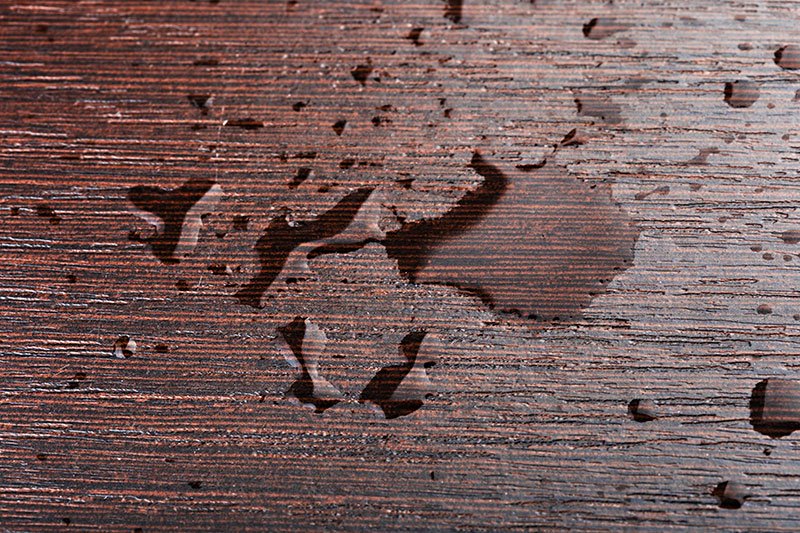
How To Prevent And Neutralize Mineral Spots Near Patio Doors
60 Second Summary For Ottawa Homeowners
Who this is for
Ottawa homeowners with hardwood near patio doors, pet bowls, or indoor planters who want to stop pale rings, gritty haze, and dull patches before they scar the finish.
What you will learn
• Why Ottawa’s hard water leaves stubborn halos on wood finishes
• A two-minute spill response using distilled water that actually works
• A safe, pH-aware method to lift mineral deposits without harming the topcoat
• Smart layout tweaks and finish choices that prevent most spots outright
Result
Calm, clean thresholds through patio season. Light glides across the finish. No chalky rings, no etched patches, and a routine you can hand to every family member.
I. Understand The Enemy: What Mineral Spots Actually Are
Hard water carries dissolved calcium and magnesium. When a droplet dries, water evaporates and minerals crystallize on the surface. Left alone, those crystals:
• Form a chalky halo that catches the light like a watermark
• Act as micro-abrasives under foot traffic, dulling sheen over time
• Can etch certain finishes if trapped under a damp rug or planter tray
Mineral spots are a deposit, not a dye stain. You are not bleaching color out of wood. You are dissolving and lifting residue without softening the protective film.
II. Where Ottawa Homes Are Most Vulnerable
• Patio sliders and thresholds: splashback from watering, snowmelt off boots, wind-blown rain
• Pet water stations: classic ring patterns from refills and playful paws
• Over-wet mopping: evaporative arcs that leave hazy trails by doors
Policy and products at these zones beat any late-night rescue. Prevention is cheaper than restoration.
III. Immediate Response: The Two-Minute Drill After Any Splash
Speed matters. The goal is to remove the water before minerals set.
- Blot, do not wipe. Lift droplets with clean microfiber so you are not dragging grit.
- Rinse with distilled water. A light spritz or dampened corner dissolves remaining salts without adding new ones.
- Dry to zero. Follow with a dry microfiber until the surface squeaks.
Distilled water is your secret weapon. It contains no minerals, so it carries residue away instead of depositing more.
IV. Controlled Neutralization: Lifting The Deposit Safely
If a pale ring remains, use a mild, finish-respecting acid—then neutralize. Skip aggressive vinegar soaks.
- Mix: 1 tsp food-grade citric acid in 1 cup warm distilled water. No citric? Use white vinegar at 1:10 with distilled water.
- Pretest: Touch-test an inconspicuous spot for 10 seconds.
- Apply: Lightly dampen a microfiber corner, then massage the ring with tiny circles for 10–15 seconds. Do not flood.
- Neutralize: Wipe immediately with plain distilled water.
- Dry: Microfiber to squeak-dry. Repeat once if needed.
If haze survives two careful rounds, the topcoat is likely etched or burnished. That calls for a professional screen-and-recoat of the affected boards, not harsher chemistry.
V. The Doorway Kit: Keep This Caddy By The Slider
• Two premium microfiber cloths labeled Wet and Dry
• Spray bottle filled with distilled water
• Small bottle of pre-mixed citric solution labeled with dilution and date
• Neutral pH hardwood cleaner for routine jobs (separate pad)
• Low-profile boot tray and pebble-filled planter saucer to intercept drips
If you can act in under a minute, mineral rings rarely appear.
VI. Finish Strategy For Hard-Water Households
You want elegance that forgives real life.
- Sheen: Satin or matte hides micro-deposits and buffs back cleanly. Gloss magnifies halos.
- System: Commercial-grade waterborne urethane with strong abrasion resistance. Add one extra coat at threshold boards for a slightly thicker sacrificial layer.
- Texture: A fine screen before the final coat preserves a whisper of tooth for traction and even cleaner spread.
- Edge sealing: Seal micro-gaps at door stiles and transitions so water cannot wick under boards.
These choices keep the look timeless while resisting Ottawa’s water and weather.
VII. Planters, Pets, And Patio Doors: Preventive Micro-Design
- Buffer the threshold. Use a rubber-backed mat sized to stop short of the sweep so meltwater does not pool against wood.
- Lift the planters. Place pots on risers or pebble trays so air breaks capillary creep.
- Move the bowl. Relocate pet water stations at least 1 meter from sliders to separate tracked snow from splashes.
- Train the mop. Wring until almost dry, then follow with a dry pad to erase evaporation trails.
Small layout shifts eliminate most mineral spotting without buying more chemicals.
VIII. Seasonal Discipline: Thaw To Patio Season
Spring and early summer spike spotting complaints. Build habits now:
- Evening wipe. One minute to check and wipe threshold boards after watering or rain.
- Weekly distilled pass. Quick wipe of doorway planks with only distilled water, then dry.
- Monthly lift-and-check. Raise mats and trays, dry the area, and reset so moisture cannot concentrate under a dark zone.
By fall, your finish still reads new.
IX. What Not To Do
• No straight vinegar baths. Strong acid, long dwell times, and wood finishes do not mix.
• No magic “hard-water erasers.” Many are abrasive; they haze films.
• No steam mops. They force alkaline water into seams and can cloud finishes.
• No baking soda pastes. Alkaline grit + friction = micro-scratches.
Keep touch light, liquids minimal, and chemistry mild.
X. Troubleshooting: Quick Reads And Fixes
- White ring that reappears after cleaning. Deposit still present or finish etched. Try one careful neutralization cycle; if it returns, schedule a screen-and-recoat.
- Gritty feel at the threshold. Mineral crystals underfoot. Do the two-minute drill, then a neutral pH cleaner pass.
- Dull crescent just inside the door. Likely foot-traffic burnish over fine residue. Neutralize, then buff lightly with fresh microfiber. Recoat if sheen mismatch remains.
- Dark edge at the door. Possible moisture wicking under the board. Inspect weatherstripping and seal cuts; consider a focused repair.
XI. Routine Care That Supports The Finish
- Daily: Quick microfiber sweep around sliders and pet stations.
- Weekly: Neutral pH cleaner on treads and threshold boards with fresh pads only.
- Seasonal: Hold indoor RH at 35–45 percent so seams stay calm as you battle outdoor melt and splash.
- Every 24–36 months: Professional screen-and-recoat in high-traffic door zones keeps protection thick and easy to clean.
Consistency beats intensity. Light, frequent care wins.
XII. Why Royal Hardwood Floors
Since 1922 our third-generation team has protected Ottawa hardwood in homes, embassies, and heritage spaces. We tailor finish systems to local realities—hard water, winter salts, four true seasons—and we teach practical routines that keep thresholds looking like day one.
XIII. The Quiet Test
After a summer storm or a plant-watering session, walk the threshold in bare feet. It should feel glass-smooth, not chalky. Light should glide, not stutter. If your microfiber sings as you dry the last droplets and your eye cannot find a halo, your system is working.
Quick Checklist For Hard-Water Zones
- Blot spills immediately
- Distilled-water rinse + squeak-dry
- Weekly distilled microfiber pass
- Mats sized short of the door sweep
- Lift planters and pet bowls
- Satin or matte finish at thresholds
- Hold indoor RH at 35–45 percent
- Screen-and-recoat every 24–36 months in door zones
FAQs
Why does hard water leave white rings on hardwood?
Ottawa’s hard water contains calcium and magnesium that crystallize as droplets dry, leaving chalky halos that dull the finish.
Can I use vinegar to remove mineral spots?
Only in a very mild, heavily diluted solution. Straight vinegar can soften finishes. A safer mix is 1:10 with distilled water, followed by a neutralizing rinse.
What should I do immediately after a spill?
Blot with microfiber, rinse with distilled water, and dry to zero. Fast action prevents minerals from bonding to the finish.
Why distilled water?
It contains no minerals, so it dissolves and lifts residue instead of leaving new deposits behind.
How do I know when I need a professional recoat?
If a pale ring returns after two careful neutralization cycles, the finish is likely etched and requires a screen-and-recoat.
Book a free quotation
We will deliver a door-side kit with distilled spray, measured citric solution, microfiber set, and a one-page decision tree for fast, safe cleanup. Pair it with a satin waterborne finish plan for your threshold boards, and enjoy patio season without sacrificing your hardwood.
Serving Ottawa since 1922 as the only third-generation hardwood specialist in the region.