
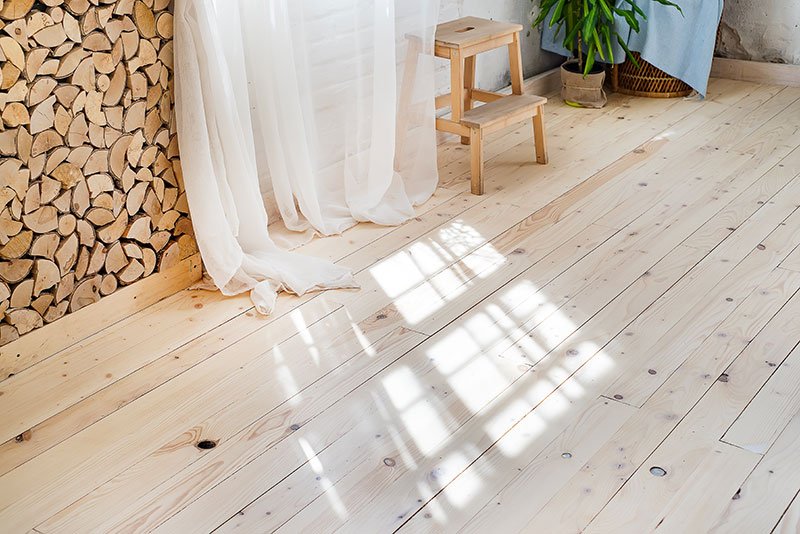
Morning light is honest.
After guests leave and music fades, hardwood tells the truth about the night. A faint grit at the entry. A whisper of a ring under the bar cart. Chair glides a little woolly from the dance of dinner. The post-party reset is not punishment; it is simple stewardship that protects clarity and sheen through the harshest months. What follows is a precise, finish-safe routine you can complete in under an hour for most homes and condos, with notes for heritage interiors and commercial hosts.
Proofpoint. Royal Hardwood Floors is Ottawa’s only third-generation hardwood specialist. Since 1922 our family has protected and restored floors for residences, embassies, heritage properties, and venues across the National Capital Region. Our winter reset protocol is field-tested after embassy receptions, condo lounge events, and holiday gatherings of every size.
I. Why a reset matters in winter
Ottawa’s winter air is dry and cold. Grit rides in on salt and snow; low humidity opens seams and magnifies haze. A disciplined reset accomplishes three things in sequence. It removes abrasive grit before it scratches. It finds minor marks while they are easy to correct. It restores the protective buffer under every leg so tomorrow’s living is gentle. Done well, it returns the room to calm geometry so the floor can rest.
II. Stage your reset kit (before guests arrive)
- Hard-surface vacuum head or canister vacuum with bristles down
- Two clean microfiber dust-mop pads
- pH-neutral hardwood cleaner approved for your finish
- Fine-mist bottle of distilled water
- Six to eight microfiber cloths (two colors: “wet” and “dry”)
- Plastic scraper or old credit card
- Odorless mineral spirits in a dropper bottle for polyurethane finishes
- Manufacturer maintenance cleaner or maintenance oil for hardwax-oil finishes
- Chair glides in assorted sizes and a roll of high-density felt tape (5 mm)
- Alcohol wipes and a strip of 220-grit paper for glide prep
- Small caddy or apron for tools
- Boot tray and an absorbent entry mat placed on non-wood
Seconds matter more than strength. Having this kit ready turns panic into process.
III. Step 1: Dry grit removal
Grit is the enemy. It behaves like sandpaper under feet and furniture.
- Open the room. Lift small rugs and shake them outdoors or over tile. Let them breathe.
- Vacuum edges first. Perimeters, thresholds, and under toe-kicks with the soft head.
- Vacuum the field. Straight, overlapping passes with the grain so you don’t redeposit grit.
- Dust-mop follow. A clean microfiber pad collects the fines the vacuum missed and reveals smudges worth spot cleaning.
Heritage tip. On newly refinished floors (within 30 days), skip wheels that could track; use dust-mop only and a very light hand.
IV. Step 2: Targeted spot cleaning (lightest method that works)
- Water rings from glasses or melting ice. Cleaner on cloth, never on the floor. Short strokes with the grain, then dry buff. If a faint blush remains on polyurethane, touch one cloth corner with two drops of odorless mineral spirits, glide three light passes, then buff dry.
- Grease or syrup near the dessert station. Blot dry first. Cleaner on cloth, wipe, dry. Repeat once only if needed.
- Candle wax specks. Chill through a cloth with an ice pack for 60–90 seconds. Lift bulk with a nearly flat plastic scraper. Remove residue with cleaner-on-cloth, then dry buff.
- Tree sap or greenery resin. Cleaner-on-cloth first. For stubborn tack on polyurethane, add a single drop of mineral spirits to a cloth corner. For hardwax oil, use the manufacturer cleaner or a teaspoon of maintenance oil, then buff dry.
Stop if haze appears. Haze means the chemistry or pressure is wrong. Escalation is how shiny spots and dull moons are born.
V. Step 3: The seven-minute inspection map
Walk a simple grid and solve the small things that become big if ignored.
- Thresholds and entries. If dull tracks appear, add an interior runner on a hardwood-safe pad just past the door.
- Dining zone arcs. Inspect the semicircles where chairs move. Replace any flattened or gritty glides.
- Bar cart or island edge. Check for moisture rings and sticky patches; clean and dry. Consider a thin, breathable runner with an underlay if this zone hosts often.
- Tree or décor platform. Confirm no sap or water escaped. Wipe the rigid tray and felt beneath.
- Light-line test. Read the floor toward the window and away from it. Uneven sheen is usually a missed wipe, not damage. Buff with a dry microfiber until it evens out.
VI. Step 4: Pad refresh that actually lasts
Chair glides and felt pads are consumables. Replace on a schedule, not when they fall off.
- Assess. If a pad looks gray, matted, shiny, or feels gritty, it is sanding your finish.
- Prep. Clean the foot with an alcohol wipe. If glossy/oily, scuff lightly with 220-grit. Let dry.
- Apply. Use dense felt at least 5 mm thick sized to the footprint. Center, press ten seconds. For heavy chairs or benches, consider PTFE sliders with a felt face to spread load and quiet movement.
- Secure. If adhesives fail on a specific leg, switch to nail-in glides designed for hardwood. Pre-drill carefully.
- Stage spares. Tape an envelope of extra pads beneath the dining table for quick midweek swaps.
Avoid bare rubber on hardwood. Some rubber leaches plasticizers that discolor finish.
VII. Step 5: Reset the room
- Return rugs over breathable, hardwood-safe underlays. Avoid PVC or aggressive rubber. Smooth from center to edges so grit isn’t trapped.
- Guide traffic. If a party revealed a natural pathway, place a narrow runner on stone/tile leading onto wood. People step where their eyes aim.
- Air and humidity. Run the HVAC fan for 20–30 minutes after cleaning. Hold indoor humidity between 35 and 45 percent to limit gapping and ensure cleaners flash off cleanly.
Commercial note. For lobbies or amenity rooms, keep a weekday rotation for runners and a monthly torque check for chair and stool glides.
VIII. Special cases and quick saves
- Micro-scratches you feel but can’t see. Leave them for your next maintenance screen and recoat. They blend better across a section than as isolated patches.
- Stool swivel tracks at the island. Increase glide diameter or use low-profile poly sliders to cut point pressure.
- Newly refinished floors (<30 days). Keep rugs off until your finish-specific clearance date. Chair pads are mandatory. Cleaning is dry or barely damp on cloth, followed by a dry pass.
IX. The ten-minute weekly cadence (winter edition)
If you hosted once, you’ll host again. Adopt this rhythm until spring.
- Dry dust-mop high-traffic zones every two to three days
- Vacuum edges weekly
- Spot clean only what you see
- Inspect and replace two or three chair glides each week before they fail
- Keep the spill kit stocked and visible near the kitchen and entry
- Verify interior RH sits in the 35–45 percent band
Quiet habits protect a century of beauty.
Quick-reference checklist
- Vacuum edges and field. Follow with a microfiber dust-mop
- Spot clean with cleaner on cloth, then dry buff
- Inspect thresholds, dining arcs, bar edges, and tree zone
- Replace matted or gritty glides with dense felt or PTFE sliders
- Return rugs only with breathable pads; never PVC
- Run HVAC fan; hold humidity 35–45 percent
- Stop if haze appears and request guidance
FAQs
Do I need special “party” cleaners in winter?
No. Use a pH-neutral hardwood cleaner approved for your finish. Avoid vinegar, citrus, oil soaps, steam, and anything labeled “shine.”
Our floors are hardwax oil. Any change?
Yes. Use the manufacturer’s cleaner, and for stubborn residue a teaspoon of maintenance oil on a cloth, then buff dry. Do not use mineral spirits unless the maker lists it as compatible.
How thick should felt pads be?
Five millimeters for dining chairs and stools. Thinner pads collapse quickly and turn gritty.
We found faint dull lanes by the door?
Add a breathable runner on a felt-and-natural-rubber underlay just past the threshold and increase your dry mop cadence. Dullness often disappears after a maintenance recoat.
Can I fix a small shiny spot myself?
Usually no. Shiny moons on matte films come from pressure or the wrong chemistry. They blend best during a professional screen and recoat.
Book a Post-Party Floor Guidance Call
Want a printable reset card tailored to your finish, plus a recommended pad kit and runner plan for your rooms. Book a free guidance call. We will confirm your finish type, specify exact cleaners and glides, and build a one-page reset routine that keeps your floors pristine all winter.
Serving Ottawa since 1922 as the only third-generation hardwood specialist in the region.