
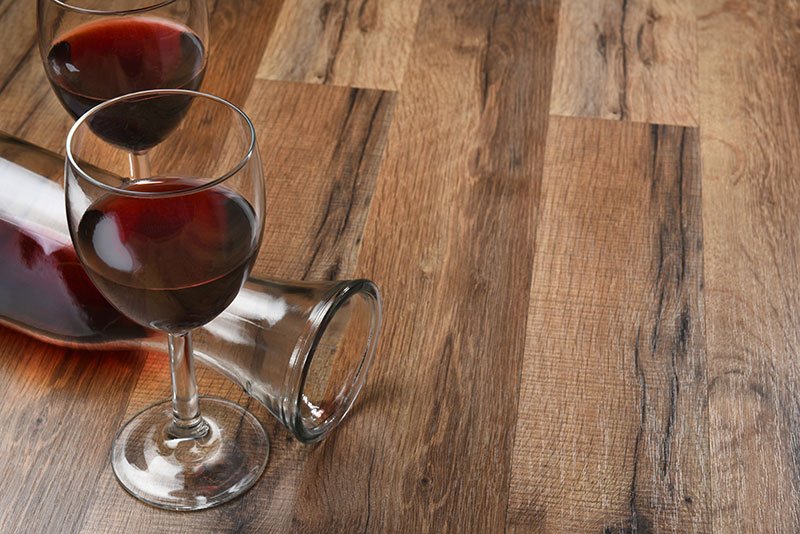
Holiday gatherings bring joy, color, and the occasional disaster on hardwood.
A glass of Merlot tips. Pine sap sneaks past the tree stand. Candle wax drips near the hearth. In winter, cold substrates and dry indoor air make finishes more sensitive, and snow glare exposes every halo. You can save your floor’s clarity if you act quickly and correctly. Use this precise, finish-safe first aid so small spills do not become permanent reminders.
Proofpoint. Royal Hardwood Floors is Ottawa’s only third-generation hardwood specialist. Since 1922 our family has protected, restored, and guided care for floors in private residences, embassies, heritage homes, and commercial spaces across the National Capital Region.
I. The triage principle: contain, lift, then finish
Every spill follows the same disciplined sequence. First contain spread. Second lift the contaminant without driving it into seams or softening the film. Third finish with a compatible cleaner and a dry buff. Keep motions light, tools ready, and timing short. In Ottawa winters, aim for indoor humidity near 35 to 45 percent so moisture flashes off and haze does not form.
II. Stage a holiday spill kit before guests arrive
- Six to eight microfiber cloths in two colors for wet and dry work
- Neutral pH hardwood cleaner approved for your finish
- Distilled water in a fine-mist bottle
- Odorless mineral spirits in a dropper bottle for polyurethane finishes
- Maintenance cleaner or maintenance oil for hardwax-oil finishes
- Plastic scraper or expired credit card
- Ice pack wrapped in a thin cloth
- Paper towels for high-volume blotting
- Small lined caddy and a laminated quick card: Blot, not rub. Cleaner on cloth, not on floor. Dry immediately.
Place one kit near the dining area and one near the tree or mantel. Seconds matter more than strength.
III. Universal rules that prevent halos
- Work from the spill’s outside edge toward the center to stop spread
- Cleaner on the cloth, never sprayed on wood
- Blot or use short guided strokes with the grain
- Finish every step with a dry microfiber buff
- No steam, vinegar, citrus removers, alcohol, melamine foam, or abrasives
- Keep heat sources gentle and indirect if you must use warmth
IV. Red wine and dark beverages
Dark pigments are intimidating, yet most sit in surface moisture and release if you act quickly.
Step 1. Contain and lift volume
Perimeter fence with paper towels. Blot the center with fresh towels until most liquid is gone. Do not wipe sideways.
Step 2. Clean the pigment film
Mist cleaner onto a microfiber cloth. With short strokes, lift residual color. Rotate to clean sections often.
Step 3. Finish-specific help
Polyurethane. Place two drops of odorless mineral spirits on a cloth corner. Glide three light passes, then follow immediately with a dry cloth.
Hardwax oil. Use a teaspoon of maintenance cleaner or maintenance oil on the cloth, wipe with the grain, then buff dry.
Step 4. Clarity check
View toward the window and away from it. If a faint blush remains, repeat cleaner on cloth once, then stop. Persistent haze needs a controlled professional blend during a scheduled recoat rather than more chemistry now.
V. Tree sap and greenery resin
Sap is sticky and acidic. Break its grip without softening the film.
Step 1. Freeze and lift bulk
Place a cloth-wrapped ice pack over the spot for 60 to 90 seconds. Scrape gently with a plastic card held nearly flat, bevel up. Park removed bits on paper, not the floor.
Step 2. Remove the film
Polyurethane. Start with cleaner on cloth. If tack remains, add one to three drops of mineral spirits to a cloth corner and make short, light passes. Follow with a dry buff.
Hardwax oil. Use the manufacturer’s cleaner first. If residue persists, a teaspoon of maintenance oil on cloth will lift it. Buff dry to level the sheen.
Step 3. Prevent recurrence
Set the tree stand in a rigid tray with thick felt beneath. Check daily. Trim branch ends over a counter, never above wood.
VI. Candle wax drips
Wax is harmless once cool. Haze appears when heat or the wrong solvent reacts with the finish. Choose cold over heat whenever possible.
Step 1. Chill, do not soak
Lay a cloth on the wax, then rest an ice pack on top for 60 to 90 seconds. Keep condensation off wood.
Step 2. Lift
Slide a plastic scraper under the edge. The drip should pop in one or two passes. If a thin film remains, re-chill for 30 seconds and lift again.
Step 3. Clear the residue film
Polyurethane. Cleaner on cloth first. If a halo persists, use two drops of mineral spirits on a cloth corner, make three gentle passes, then dry buff.
Hardwax oil. Use cleaner or a teaspoon of maintenance oil on cloth, then buff dry.
Warmth only if essential. A hair dryer on low, 8 to 10 inches away, through a cotton cloth for about 10 seconds, then a dry wipe. Never press a hot iron directly.
VII. Not sure which finish you have
- Try cleaner on cloth only. If clarity returns, stop.
- If residue persists, test a single drop of the stronger helper in a hidden corner and wait one minute.
- If dulling or whitening appears, stop and seek guidance before further action.
VIII. High-risk moves to avoid in winter
- Flooding with water or cleaner that leaves standing liquid
- Rubbing while the spill is warm, which smears it into a wide halo
- Kitchen scrubbers or powders that micro-polish the film into a dull spot
- Alcohol, acetone, citrus, or general degreasers that can bloom or soften finishes
- Waiting until morning. Pigments and acids set with time
IX. Preventive staging that stops stains
- A breathable runner under the drinks station with a hardwood-safe underlay
- Coasters at every seating cluster and a dry towel under the ice bucket
- A rigid tray and felt under the tree stand, plus daily leak checks
- Microfiber cloths within reach and a designated spill lead who knows the three rules on the quick card
- Corridor runners toward terrace or patio doors to intercept slush and grit that turn small spills into scuff fields
X. Aftercare if a faint mark remains
Once the area has fully dried and cooled, try one more pass of cleaner on cloth followed by a dry buff. If sheen mismatch persists, do not escalate pressure or chemistry. Many light marks disappear during a maintenance screen and recoat. Document what happened, take a photo in raking light, and keep your kit ready for next time.
Quick-reference checklist
- Blot, do not rub. Cleaner on cloth, not on wood. Dry immediately
- Wine. Fence perimeter, blot center, cleaner on cloth, finish-specific helper if needed, dry buff
- Sap. Chill, lift bulk, cleaner on cloth, then finish-specific helper, dry buff
- Candle wax. Chill, lift, cleaner on cloth, warmth only if essential, dry buff
- Stop if haze appears and request guidance
FAQs
Is the brown paper and iron trick safe?
Only as a last resort at the lowest heat through layered cotton. Cold lift is cleaner and safer in winter.
What solvent is safe on polyurethane?
A drop or two of odorless mineral spirits on a cloth corner, never poured on the floor, followed by an immediate dry buff.
Our building uses hardwax oil. What should we do?
Use the manufacturer’s cleaner first. For residue, apply a small amount of maintenance oil on cloth, wipe with the grain, then buff dry.
How fast do I need to act on red wine?
Within minutes. Fence, blot, then cleaner on cloth. Most color sits on the surface if you respond quickly.
We tried steam and now see a milky ring?
Stop. Allow the area to cool. If haze persists, schedule a maintenance recoat rather than more heat or chemicals.
Book a Holiday Spill Guidance call
Want our printable, finish-specific Holiday Spill Guide with exact steps, product names, and a one-page decision tree for your home or venue. Book a free guidance call. We will confirm your finish type and provide a tailored spill plan so you can rescue wine, sap, and wax confidently in seconds.
Since 1922, Royal Hardwood Floors has helped Ottawa homes and venues move through the festive season with floors that read calm and elegant after the guests go home.