
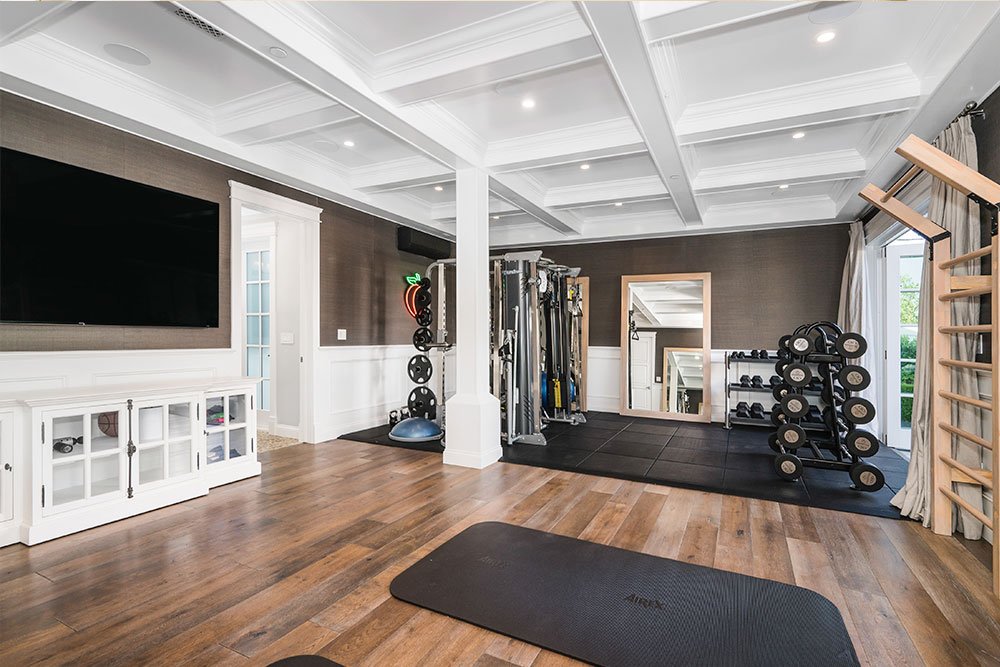
From yoga to youth basketball, the lines still need to pop.
Winter pushes more people indoors. That is good for programs and tough on floors. Game lines fade under dust. Salt dulls sheen. Dry air can loosen fasteners enough to creak during layup drills. The remedy is a short list of daily habits, a disciplined mop plan, and a well-timed mid-season screen and coat. Your lines stay bright, your traction stays consistent, and your spring budgets thank you.
I. Dust control that protects lines and sheen
Dust is abrasive. It scuffs clear coats and mutes painted lines.
- Walk-off zones. Place long, commercial-grade mats at all entries and extend them through hall pinch points. Rotate and launder often in storm weeks.
- Daily dry pass. Use a wide microfiber dust mop before first use and after the last booking. Replace or launder pads on a schedule so you never push grit around.
- Target the baselines. Basketball and pickleball create predictable grind zones. Double the passes here.
- Edges and bleachers. Dust migrates to margins. Add a weekly edge sweep so salt does not creep into seams.
Royal Hardwood Floors maintains sports and commercial surfaces across Ottawa, including school gymnasiums and community buildings, which means we design routines for heavy winter traffic, not just light studio use.
II. Shoe policies that families will actually follow
Grand policy statements fail when the crowd arrives hungry and late.
- Simple rule, big sign. Indoor athletic shoes only. Put the sign at eye level on the door, not the back wall.
- Provide a bench lane. A small “change shoes here” strip with a rack reduces the excuse factor.
- Tournament days. Assign a volunteer at the door with spare sticky sheets. One friendly reminder removes most grit at the source.
- Home studios. Keep a lidded tote for guests’ outdoor boots, plus a small mat for yoga studio entry. Quick, clean, obvious.
III. Mop schedule and neutral cleaners that preserve traction
Over-wet cleaning creates slip risk. Harsh products etch finish.
- Daily. Dry dust mop start and end of day.
- After events. Spot clean scuffs and sweat marks with a pH-neutral hardwood cleaner on a microfiber cloth, then dry.
- Damp pass. Use a lightly damp microfiber system two to five times weekly depending on use. Wring nearly dry and follow with a dry pad.
- Never. No vinegar, no ammonia, no oil soaps. They either haze, leave residue, or both, which changes the traction profile.
If a broad lane looks dull but brightens temporarily when damp, that is finish wear, not dirt. It is a strong candidate for a maintenance recoat rather than a full sand. Our crew’s standard recoat procedure is a clean, a light screen to key the surface, then two finish coats that reset protection and sheen.
IV. When a mid-season screen and coat saves a spring redo
A well-timed recoat is the budget-smart play.
- Why mid-season. Winter loads the surface with grit and salt while dry air makes micro-scratches accumulate. A recoat in January or early February lays down a fresh film before tournament crunch.
- What it is. No sanding to bare wood. We lightly abrade the existing finish, clean meticulously, and apply fresh coats. Lines that are intact read brighter because the new film increases clarity.
- What it is not. If lines need redesign or the wood is damaged, that is a refinish plan scheduled off-season.
- Why it works. Water-based finishes for commercial settings have very low odor and short dry times, allowing multiple coats in a day and quick return to use under supervision.
V. Safety checks for loose boards after cold snaps
Dry spells shrink boards and can reveal fastener movement.
- Listen map. Walk the room slowly and mark any creak, click, or bounce with painter’s tape.
- Inspect thresholds and stage edges. These zones telegraph movement first.
- Check bleacher rollers and chair feet. Replace worn glides that grind lanes.
- Call in targeted fixes. Many winter noises are accessible from below or solvable with precise fasteners. Our repair team handles both residential and commercial settings, and we have not met a problem we could not solve.
VI. Lines that stay sharp: simple habits that make paint last
- No tape on lines. Event taping lifts edges and scuffs the film. Use cones or freestanding markers.
- Ball carts, not floor drops. Rolling carts prevent repeated impact in the same square metre.
- Repaint in cycles. Touch-ups pair well with mid-season recoats because the new clear film protects fresh pigment.
VII. Cost and downtime compared with a full refinish
Recoat is faster, cleaner, and more affordable than sanding to wood, especially mid-season. Full refinishing belongs to off-season windows when you plan for sanding, optional stain adjustments, and multiple build coats. For many Ottawa facilities, a planned recoat cycle stretches finish life, keeps lines bright, and avoids emergency spring budgets. Royal Hardwood delivers refinishing and recoats for both homes and businesses, including large spaces, with processes tuned for low disruption.
VIII. Why this approach works in Ottawa winters
You are fighting three forces at once: abrasive dust, alkaline salt, and dry-air movement. The plan above removes grit before it abrades, maintains traction with neutral cleaners, resets protection before peak season, and checks structure after cold snaps. The result is a floor that looks cared for and plays safely.
Proofpoint
Ottawa’s only third-generation hardwood specialist since 1922, trusted across residential, commercial, and governmental buildings, including school gymnasiums and high-profile institutions.
Quick checklists
Daily operations
□ Long walk-off mats at all entries
□ Dry dust mop before first booking and after last
□ Spot clean lines with neutral cleaner
□ Edge sweep on the weekend
Weekly maintenance
□ Damp mop nearly dry, then a dry follow
□ Launder runners and change sticky sheets
□ Inspect chair feet, carts, and bleacher rollers
Mid-season tune-up
□ If lanes look dull when dry but brighten when damp, schedule screen and coat
□ Pair with game-line touch-ups as needed
□ Mark any cold-snap creaks for targeted fixes
FAQs
What cleaner preserves traction on gym floors?
A pH-neutral hardwood cleaner used lightly on microfiber. Avoid vinegar, ammonia, and oil soaps that leave residue or haze.
How often should we dust mop in winter?
At least twice daily on active days. Add passes between games to protect lines.
Is a mid-season recoat worth it if lines look faded?
Yes when the pigment is intact. The new clear film restores clarity and protection without a full sand.
How long is the downtime with water-based recoat?
Dry times are short and odor is low, allowing multiple coats in a day and rapid return under staff control.
What if boards feel loose after a deep freeze?
Map noises and call for targeted repairs. Many fixes are surgical and fast.
Book A Free Quote!
Ask for a mid-season maintenance quote and game line touch-ups. We will assess traction, sheen, and structure, then stage a fast recoat plan around your booking calendar.
Serving Ottawa since 1922 as the only third-generation hardwood specialist in the region.