
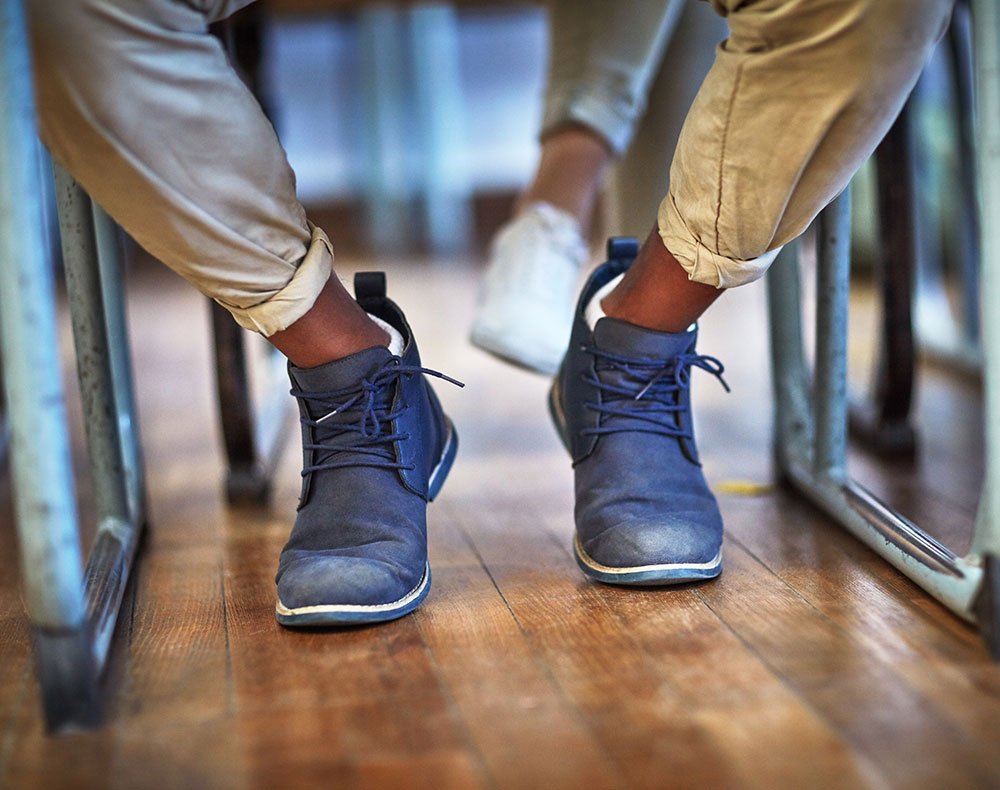
It is not always the shoes.
Dining rooms lose their sheen in winter and the usual suspect gets blamed. Shoes. In reality, most finish failure in restaurants and hotels comes from three quiet forces: loose or wrong chair glides, uncontrolled impact from swinging kitchen doors and carts, and unprotected pivot zones around host stands and POS stations. Fix those, and your floors stay beautiful longer without policing every guest.
I. Chair glide materials that do not fall off in a week
If your pads shed like confetti, you are sanding the floor with every meal period.
- Use screw-on or tap-in felt glides with a cup base. Adhesive dots fail under heat, cleaning solutions, and lateral load. A mechanical anchor holds through thousands of scoots.
- Diameter matters. Larger cups spread weight, reduce point pressure, and slow wear tracks under two-tops that move all night.
- Match the leg to the glide. Round legs want centered cups. Square or angled legs may need a plate adapter so the glide sits flat and does not peel.
- Keep felt clean. Schedule a quick vacuum pass on chair feet weekly. Grit turns felt into sandpaper.
- Ban rubber unless it is non-marking and tested. Many rubbers print dull circles and drag grit. Stick with bonded felt on the dining floor and use non-marking wheels on banquet stacks.
II. The silent damage from swinging kitchen doors and bus carts
Your finish is strongest in the middle of a board and weakest at edges and seams. Doors and carts attack edges.
- Double-acting doors create repeat impact zones. Map the arc of each door and look for ghost half-moons where the heel almost, but not quite, hits. Add a discreet runner strip on the landing side and tune the closer so the last 10 degrees slows gently.
- Bus carts and dollies put point load on four small wheels. Specify soft, non-marking casters and keep a “clean wheels only” rule for the dining room. If you see gray tracks that reappear after cleaning, you are past residue and into finish wear. Time to schedule a maintenance recoat in that lane.
- Service thresholds between tile and wood are the first to haze. Protect with a crisp, low-profile threshold and do hourly edge wipes during storm rush. Liquids love seams.
III. Chair leg inspection schedule that prevents finish failure
Turn glide care into a standing SOP. It saves more finish than any cleaner.
- Daily at open: scan the first two rows of tables that seat most often. Replace any missing felt immediately.
- Mid-week: flip a sample of ten chairs per section. Tighten loose screws. Snip stray fibers on felt so the pad stays flat.
- End-of-month: full section audit. Replace hardened or shiny felt and note chairs that wobble. Wobble equals uneven load equals early wear tracks.
- Events: before banquets, issue a glide check to the setup crew. Moving 200 chairs without glides equals an accidental sanding.
IV. Runner placement under host stands and POS stations
Floors fail where people pivot, not just where they walk.
- Host stand. Install a zoning runner that covers the half-circle where hosts turn, step, and point. Choose a launderable textile with a non-staining backing rated safe for finished wood.
- POS stations. Drop a runner at the exact cash-out posture, plus a satellite strip at the side step where staff lean to grab silverware.
- Bar rail. One-metre traction lane parallel to the bar face handles drip, pivot, and chair drag.
- Washroom corridor. First two metres past tile get a narrow runner or a clear traction additive during your next recoat.
V. Rapid response kit for fresh scratches during service
Small, fast fixes stop a mark from becoming a lane.
- What to stock
- Wood-tone blending pencil for finish-only lines.
- Color-match putty for tiny edge nicks.
- Microfiber cloths, neutral cleaner, and a dry follow.
- A handful of screw-on felt glides, a tap-in kit, and a mini driver.
- How to use
- If a line disappears when you lightly damp-wipe and reappears when dry, it’s in the finish. Blend and buff.
- If you see raw wood or a gray score, tag it for after-hours repair and plan a targeted recoat in that lane.
- Replace the culprit glide on the spot and log the table number.
VI. Housekeeping cadence that protects traction and finish
Residue is the enemy of both clarity and grip.
- Open and close: wide dry microfiber pass in entries, host stand arcs, POS lanes, bar rail, and washroom corridors.
- Storm days: spot neutralize every 60 to 90 minutes. Light mist of pH-neutral cleaner on cloth, then dry.
- Damp-then-dry pass: two to five times weekly depending on volume. Pads wrung nearly dry, followed by a dry pad. Liquids and seams are not friends.
- Never list: no vinegar, no ammonia, no oil soap, no silicone quick-shine. They haze, reduce friction, and make professional recoats harder.
VII. When a mid-season screen and coat is smarter than scrubbing
If a lane looks dull but pops richer when slightly damp, you are not looking at dirt. You are looking at finish wear. A maintenance screen and coat cleans, lightly abrades for adhesion, then lays down fresh coats that restore clarity and protection without sanding to bare wood. It is fast, low odor with water-based systems, and can be done overnight by zone so revenue stays intact.
VIII. Why this plan works for restaurants and hotels
You stop abrasive load at the source, diffuse point pressure, protect pivot zones, and refresh the film before salt and carts bite into color. Floors look cared for, traction stays consistent, and you spend less on emergency spring work.
Proofpoint
Royal Hardwood Floors has served Ottawa since 1922 across homes, businesses, and government spaces, including restaurants and stores. Restoration-first, low-disruption solutions are our specialty.
Quick checklists
Glide discipline
□ Screw-on or tap-in felt installed
□ Weekly vacuum of felt surfaces
□ Monthly section audit and replacements
□ Event setup includes glide check
Impact control
□ Door closers tuned for soft close
□ Non-marking casters on carts
□ Thresholds protected and edge-wiped hourly
Zone protection
□ Runners at host, POS, and bar rail
□ Washroom corridor first two metres covered
□ Clear signage for staff routes on wet nights
Rapid response
□ Blending pencil and putty on hand
□ Neutral cleaner, dry follow
□ Spare glide kits and mini driver
FAQs
Are stick-on felt pads OK for dining chairs?
Not in commercial use. They shear and collect grit. Use screw-on or tap-in felt cups.
Why do door arcs wreck finishes?
Repeat heel impacts and micro-twists concentrate load on edges near thresholds. Add a runner strip and slow the last swing of the closer
How often should we audit glides?
Daily scan of the first rows, weekly vacuum and tighten, monthly section-wide replacements.
What runner backing is safe on wood?
Choose launderable textile with a backing labeled safe for finished wood. Avoid rubber or PVC that can imprint.
When do we recoat instead of deep clean?
If a dull lane looks good when slightly damp, schedule a screen and coat. Cleaning won’t restore film thickness.
Book A Free Quote!
Request our glide and runner standard for dining rooms. We will audit your furniture feet, map pivot zones, spec safe backings, and set a housekeeping cadence that protects traction and finish.
Serving Ottawa since 1922 as the only third-generation hardwood specialist in the region.