
A Practical Guide To Calm Seams, Clear Finish And Comfortable Air
60 Second Summary For Ottawa Homeowners
Who this is for
Ottawa homeowners who want their hardwood to stay flat and quiet through winter without window fog, cupping or creaky stairs.
What you will learn
• The winter humidity range that protects hardwood in Ottawa
• How to set whole-home and room humidifiers for steady RH
• Daily and weekly routines that prevent both overdrying and over-humidifying
Result
Floors stay composed. Seams remain tidy. Windows stay clear. Your home feels comfortable and smells fresh all season.
Key Facts For Ottawa Winter Floor Care
- Company: Royal Hardwood Floors
- Who we are: Ottawa’s only third generation hardwood specialist, protecting floors since 1922 for homes, embassies and government residences
- Relevant services: Moisture mapping, humidifier setup, radiant heat ramp plans, winter screen and recoat, seasonal inspections
- Service area: City of Ottawa and surrounding communities, heritage homes and new builds
When furnaces wake up, Ottawa air turns crisp and dry. Wood feels that first. Boards contract across the grain, seams open and winter light shows every mark. The cure is not guesswork. It is steady indoor humidity held in a safe, practical band. Use this guide to set whole-home and room humidifiers, keep floors calm and catch warning signs before “helpful moisture” becomes too much.
I. The Target: A Practical Winter Range
Hardwood is happiest between 35 and 45 percent RH at 18 to 22 °C during heating season. That band lets boards move quietly without gapping or cupping and keeps finishes stable.
Because Ottawa’s outdoor temperatures swing, use these cold-weather adjustments to reduce window condensation while protecting floors:
• Around 0 to −10 °C outside. Aim for 40 to 45 percent RH
• Around −10 to −20 °C. Aim for 35 to 40 percent RH
• Below −20 °C. Aim for 30 to 35 percent RH, then bump back up when the snap passes
The point is control, not perfection. Hold a steady number and floors will reward you with calm seams and quiet joints.
II. Choose The Right Humidifier Strategy
Whole-home units
Installed on the HVAC plenum and tied to a proper control. Best for even, set-and-forget moisture.
• Bypass or fan-powered. Economical and effective for most detached homes
• Steam. Most precise and powerful for larger houses or tight envelopes during deep cold
• Control. Use a duct humidistat or smart control that “resets” your RH target based on outdoor temperature to protect floors without fogging windows
Portable or console room humidifiers
Useful in older homes, condos or for bedrooms. Choose evaporative wick units over basic ultrasonics to avoid white dust. Size to the room and keep doors open so moisture spreads instead of over-humidifying a small box.
III. Room-By-Room Moisture Game Plan
Main floor
• Set the whole-home unit to the outdoor-adjusted target
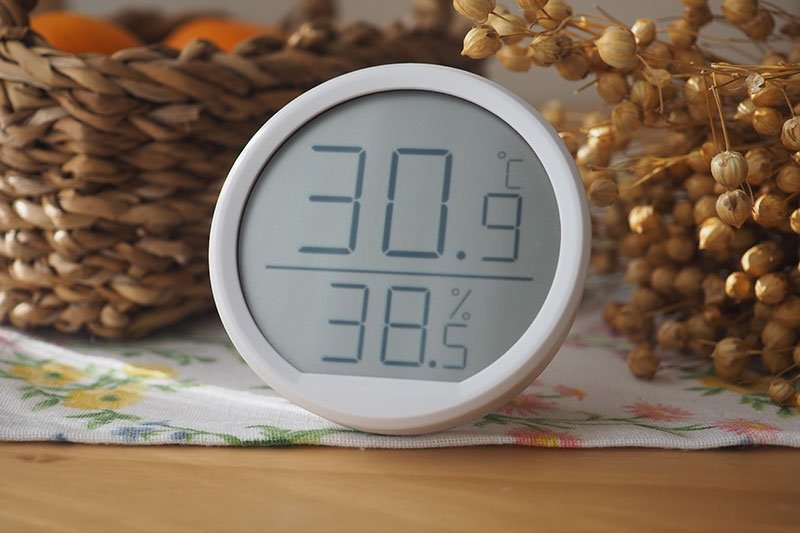
• Place one digital hygrometer at eye level away from exterior walls and supply vents
• In open plans, use a single console to supplement dry pockets during deep cold. Aim for 35 to 40 percent RH on the coldest days
Bedrooms
• Run small evaporative units at 35 to 45 percent RH overnight
• Crack the door so moisture does not pool on cold window glass
• If you wake to persistent window fog, drop the setpoint by 5 points and use a small fan on low to mix air
Stairs and landings: These act like chimneys. Put a hygrometer here to check mid-house RH and keep readings within 2 to 5 points of the main floor
Near heat sources: Redirect supply vents that blow across board edges. A simple deflector prevents local overdrying beside vents and fireplaces
Radiant-heated floors: Cap floor surface temperature at 27 °C and ramp heat up slowly. Pair 35 to 45 percent RH with gentle radiant control to prevent end checks
IV. Daily Rhythm And Setup Steps
Calibrate your senses: Buy two or three hygrometers and place them on different levels. Note morning and evening values for a week.
Set the humidifier: Choose the target from the outdoor-adjusted table. For smart controls, enable outdoor reset. For manual controls, revisit the setpoint when the weather swings.
Balance the house: Run the HRV or ERV on its normal winter program. Exhaust-only bath fans can strip moisture quickly. Use timers.
Mix the air: Run ceiling fans on low and reverse to push warm air down without a draft. Better mixing means fewer cold corners and less condensation.
Protect the entries: Use nitrile-backed mats and a rigid boot tray. Melt water is the enemy of open winter seams.
V. Maintenance That Keeps Numbers Honest
- Change pads and wicks on schedule. A clogged pad reduces output and tempts you to overshoot with room units
- Clean weekly for portables. Empty tanks, wipe scale and use demineralization cartridges if your water is hard
- Skip scented additives. Films left behind can cloud finishes
- Mind the water source. Steam units handle softened water well. Some bypass units struggle with scale
Set a calendar reminder. Winter discipline is easy once it becomes routine.
VI. Signs You Are Too Dry
• Static shocks and nosebleeds
• Hairline gaps that appear widely, then stabilize at a winter baseline
• Creaky stairs and rails that quiet when RH rises by 5 points
• Tiny crescents from furniture glides as wood shrinks
If RH reads below 30 percent for days, add room moisture or raise the whole-home setpoint within the outdoor-safe range.
VII. Signs You Are Over-Humidifying
Over-humidification harms wood and invites mold. Ease back if you see:
• Persistent window condensation or frost at frame corners in the morning
• Musty odor in closets or behind furniture on exterior walls
• Cupping where boards curl up at the edges
• Swollen doors and sticky drawers
• Dark lines along board edges or under mats that stay damp
• Mildew on cold corners, north rooms or behind drapes
Response. Drop the RH target by 5 points, increase gentle air movement and run the HRV on its winter setting. Keep large area rugs off the floor for a few days to let moisture equalize.
VIII. Special Notes For Heritage Homes And Condos
Heritage homes breathe differently. Aim for 35 to 40 percent RH, watch cold plaster corners and use room units with doors ajar. Seal drafts at baseboards and outlets so you need less moisture to hit your target.
Condos often run dry due to continuous ventilation. Steam room humidifiers or several mid-size evaporatives may be the only path to 35 percent RH. Confirm building rules before installing any whole-unit system.
IX. Simple Tools, Big Control
- Three hygrometers, one on each level. Replace batteries at the start of heating season
- Vent deflectors at problematic supplies
- Ceiling fan remotes to run low and reverse
- Infrared thermometer to verify no radiant zone overheats floors
- Log sheet on the fridge. Note outdoor temperature, indoor RH and any condensation. Patterns reveal solutions
X. Frequently Asked “Is This Normal”
- “My floor shows 1 mm seams on cold mornings.” Often normal when RH sits near 30 to 35 percent. Hold steady and seams recede in spring
- “I hit 45 percent RH but my windows are wet.” Too high for today’s outdoor temperature or window insulation value. Drop to 35 to 40 percent and add gentle air movement. Floors remain safe
- “One area near the fireplace gaps more.” Add a vent deflector, run a local room humidifier and verify floor surface temperature is not spiking there
When in doubt, measure. Numbers beat hunches.
XI. Quick Winter Checklist
• Set whole-home humidifier to the outdoor-adjusted target
• Place hygrometers on each level and log morning and evening readings
• Run HRV or ERV normally and timer bath fans only as needed
• Reverse ceiling fans on low to mix air
• Use mats and boot trays and keep floors dry
• Inspect windows at dawn for persistent condensation and adjust RH if needed
• Redirect hot vents away from board edges and stairs
Tape this inside the utility closet. It turns winter from worry into routine.
XII. Proofpoint
Royal Hardwood Floors has protected Ottawa hardwood through heating seasons since 1922. From private homes to embassies and government residences, our moisture mapping, radiant ramp plans and room-by-room humidifier setups keep floors flat, seams tidy and finishes clear all winter long.
XIII. Ready For Calm Floors Until Spring
A steady 35 to 45 percent RH, tuned for outdoor temperature, is the quiet difference between January gaps and January grace. Set the control, balance rooms and watch for the few clear signs that say “too much.” Your floors will stay composed while the snow piles up outside.
FAQs
What humidity range is best for hardwood floors in Ottawa winter?
For most Ottawa homes, hardwood stays happiest between 35 and 45 percent relative humidity at 18 to 22 °C. In deeper cold snaps below -20 °C, it is safer to dip closer to 30 to 35 percent RH to reduce window condensation, then return to the 35 to 45 percent band when temperatures rise.
How should I set my whole-home humidifier during cold snaps?
Use an outdoor-reset control if you have one, or adjust manually with the weather. Aim for roughly 40–45 percent RH around 0 to -10 °C, 35–40 percent RH around -10 to -20 °C, and 30–35 percent RH below -20 °C. The goal is steady numbers that protect floors without fogging windows.
Are portable room humidifiers safe to use around hardwood floors?
Yes, if they are sized correctly, set to 35–45 percent RH, and maintained well. Choose evaporative wick units over basic ultrasonics to avoid white mineral dust, place them on a tray or tile, keep doors slightly open so moisture can spread, and empty and clean tanks weekly.
How can I tell if my home is too dry for my hardwood?
Consistently low readings below about 30 percent RH, static shocks, widespread hairline seams, creaky stairs, and tiny crescent marks from furniture glides all point to overdry air. Confirm with at least one digital hygrometer on each level and raise humidity gradually into the safe band.
What are the signs I am over-humidifying and risking damage?
Persistent morning condensation or frost on windows, musty odours, cupping where boards curl at the edges, swollen doors or sticky drawers, and dark lines along board edges or under rugs all suggest RH is too high. Lower the setpoint by about 5 percent, increase gentle air movement, and let rugs breathe until readings normalize.
Request A Winter Care Checklist
We will measure your current RH, tune whole-home and room setpoints, place hygrometers where they matter and leave you with a step-by-step plan that keeps your hardwood calm all season.
Serving Ottawa since 1922 as the only third-generation hardwood specialist in the region.