
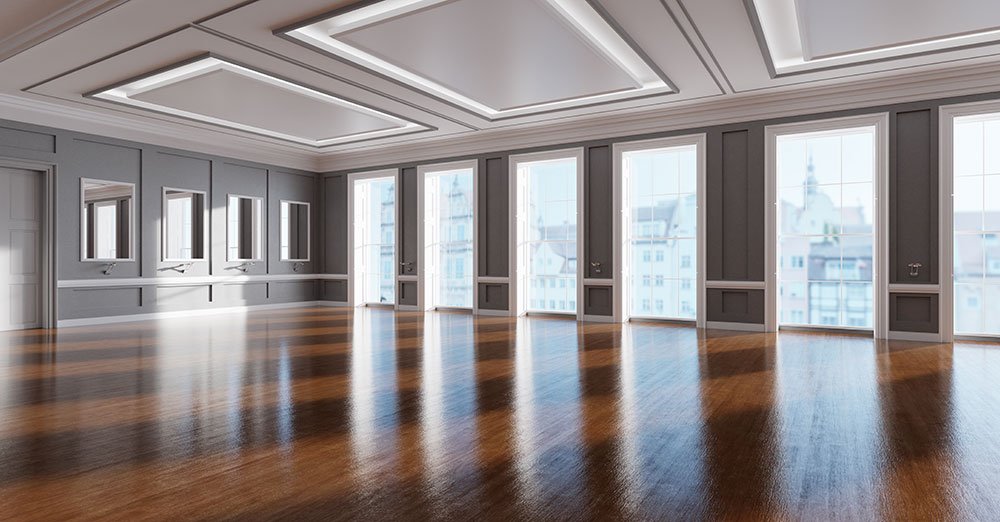
Bye to gaps and cupping, hello to stable floors and quiet rooms.
Winter puts hotel lobbies, ballrooms, and dining rooms under pressure. Doors cycle all day. Outside air is dry. Kitchens and bars create hot, humid pockets. The result can be noisy seams, cupping near entrances, and finish stress in sunlit zones. The fix is not guesswork. It is a clear RH target, airflow discipline, zone monitoring, and a maintenance cadence that keeps floors stable and rooms quiet while guests stay comfortable.
I. Set the target: practical RH for hospitality spaces
Aim for a consistent winter relative humidity of roughly 38 to 45 percent at 20 to 22 °C. Consistency beats perfection. Big daily swings are the real enemy because they drive boards to expand and contract in short cycles, amplifying squeaks and stressing finish films.
Operational tips
Alarm if any public zone sits below 30 percent for more than 24 hours or above 50 percent for several days.
Place at least one digital hygrometer on each floor of the property, with visible displays for engineering or housekeeping.
Track morning and pre-dinner RH for one week to establish a baseline.
II. Calm the door: vestibules and revolving doors reduce RH swings
You can tame the cold-air hammer that hits your lobby every time the door opens.
- Vestibules create an air lock. Keep both door sets functioning and timed so they do not stand open together. Add a discrete sign at each door reminding guests to close behind them in deep cold.
- Revolving doors dramatically cut exchange volume per guest. If you have them, ensure the speed governor is tuned and door sweeps are intact so the seal works.
- Service entries need love too. Duplicate protection at staff doors and delivery bays, since a single propped door can collapse RH across the whole lobby.
III. Choose humidification that plays nice with heritage floors
You need moisture delivered evenly without wetting the surface.
- Steam humidifiers integrate with central air and deliver precise control across large volumes. They cost more but shine in ballrooms and lobbies with high ceilings.
- High-capacity consoles are the move for historic wings or where duct integration is limited. Pick models with large tanks, auto-shutoff, and built-in humidistats. Use demineralized or distilled water to prevent mineral dust.
- No floor-level foggers pointed at wood. You want distributed humidity in the air, not droplets on boards.
- Maintenance matters. Dirty tanks and pads can spread minerals and spores. Assign weekly cleaning during January and February, plus daily top-ups during deep freezes.
IV. Monitor by zone: bars, kitchens, and sun patches create microclimates
Large properties are never uniform. Microclimates explain why one room whispers and another squeaks.
- Bars and coffee stations run warmer and wetter during service. Place a hygrometer on the back wall and a second at the guest edge. If RH near the rail reads 10 points above the lobby, lengthen the zoning runner and add an under-bar air deflector so hot air does not blast one board edge.
- Kitchens and dish rooms spike humidity in pulses. Where dining transitions to wood from tile, angle supply diffusers so airflow does not hit the same seam.
- South-facing glass heats plank faces even in deep winter. Use sheer shades during bright hours and keep RH steady so boards do not ride a hot-cold-hot roller coaster.
- Ballrooms vary by event density. Log RH at setup, peak, and teardown for three events. If teardown readings drop 10 points in two hours because doors are open for load-out, update your load-out SOP.
V. Gentle winter cleaning that protects fragile films and traction
Residue is the enemy of both finish and safety.
- Dry dust mop at open and close with wide microfiber heads.
- Spot neutralize rings at entries and buffets with a pH-neutral hardwood cleaner on cloth, then dry.
- Run a lightly damp microfiber pass two to five times weekly depending on volume. Wring nearly dry and follow with a dry pad.
- Never use vinegar, ammonia, oil soaps, or silicone “quick-shine.” They haze, lower friction, and complicate professional recoats.
VI. Seasonal gaps: what’s normal and what signals risk
- Normal: Hairline seams that appear in January and soften in April. Slight creaks that resolve after RH stabilizes.
- Watch list: Gaps wide enough to catch grit or a credit card, or repeat squeaks at the same tread or board even after RH holds steady for a week.
- Risk: Cupping near exterior doors, white haze along hot registers, or crowning under bright sun patches. These point to uneven moisture exposure or cleaning residue. Address airflow and cleaning first, then plan a maintenance screen and coat where wear is in the finish.
VII. A winter calendar that keeps floors quiet
- Daily
- Log RH morning and late afternoon in lobby, bar, main dining, and any active ballroom.
- Dry dust mop entries and edges.
- Twice weekly
- Lightly damp mop priority lanes and thresholds.
- Hygrometer battery check and quick wipe of sensor screens.
- Weekly
- Humidifier pad clean or tank sanitize.
- Door sweep inspection and closer speed check.
- Edge pass at tile-to-wood seams and under buffet lines.
- Monthly
- Review RH logs. If any zone lives outside 38 to 45 percent for a week, tune humidification or airflow.
- Note any lanes that look better when slightly damp. Those are candidates for a maintenance recoat before spring grit arrives.
VIII. Why this matters to your brand and budget
Stable RH equals stable floors. Guests feel the difference as quieter rooms and smoother footfalls. Your finish lasts longer, your seams stay tighter, and your spring repair budget shrinks. This is not about gadgets. It is about treating air like a building material and running a calm routine.
IX. One Proven Proofpoint
We have served Ottawa since 1922 across residential, commercial, and governmental buildings, including high-profile institutions, embassies, and major venues. That breadth is why our humidity playbooks prioritize guest comfort, safety, and finish longevity in equal measure.
X. Quick Checklists
Targets and tools
□ RH target 38–45 percent, 20–22 °C
□ Hygrometers per zone with visible displays
□ Weekly humidifier maintenance scheduled
Door and airflow
□ Vestibule doors timed, sweeps intact
□ Revolving door governor checked
□ Service-entry discipline enforced
Zone watch
□ Bar and coffee stations logged
□ Sunlit zones shaded at peak hours
□ Tile-to-wood thresholds edge-wiped daily
When to call
□ Credit-card-wide gaps or persistent squeaks
□ Cupping near doors or white haze by vents
□ Lanes that look good only when damp
FAQs
What RH should we hold in winter for wood floors in lobbies and dining rooms?
About 38 to 45 percent at typical room temperatures. Consistency matters more than perfection.
Are seasonal gaps a failure?
Hairline winter gaps are normal. Large, debris-catching seams or cupping near doors need attention.
Which humidifiers are best for ballrooms?
Central steam units for precise control. In heritage wings, high-capacity consoles with clean water and strict maintenance work well.
How do bars and kitchens affect floors?
They create warmer, wetter microclimates. Monitor separately and adjust airflow and matting at the transition to wood.
Should we recoat if lanes brighten when damp?
Yes. That signals finish wear, which a maintenance screen and coat resolves faster than a full refinish.
Book A Free Quote!
Book a humidity and movement assessment with data loggers. We will instrument key zones for a week, map problem microclimates, and deliver a winter plan that keeps floors stable and rooms quiet. Book a free quotation today.
Serving Ottawa since 1922 as the only third-generation hardwood specialist in the region.