
A Tone Strategy Across Floors and Stairs
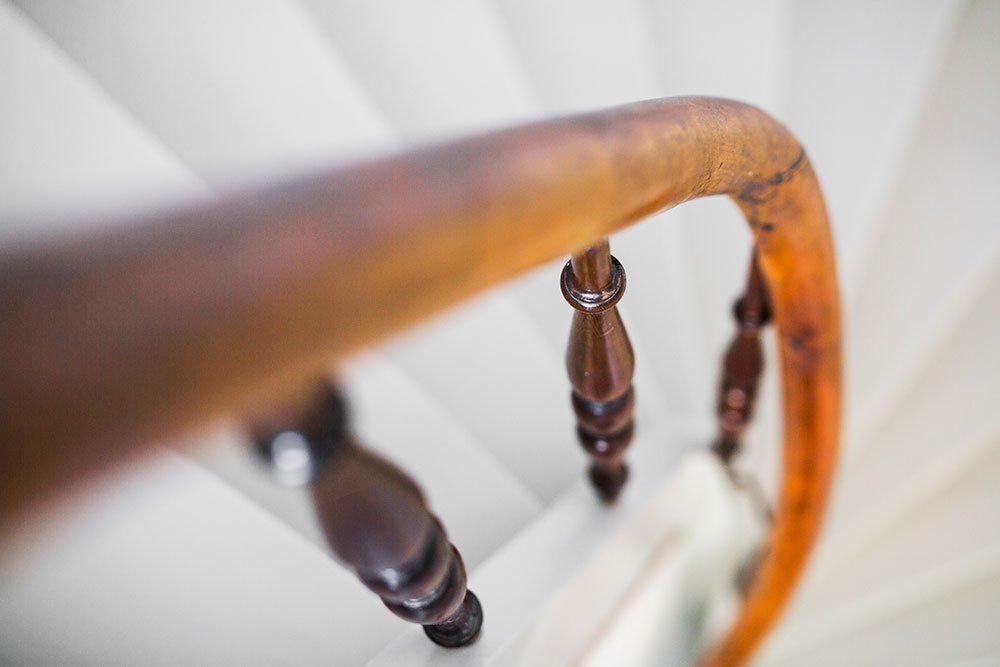
A handrail is the line your eye follows as you move through your home. It’s a ribbon of tone that connects foyer to landing and signals whether the palette is warm, cool, or quietly neutral.
Choose the right colour and the entire house feels composed. Choose poorly and each level reads like a different chapter.
This guide gives Ottawa homeowners a practical, design-forward method to select a handrail colour that unifies floors, stairs, and rooms — without overpowering the wood beneath your hand.
Who This Is For
Ottawa homeowners updating hardwood floors, refinishing stairs, or replacing handrails who want the house to feel cohesive instead of chopped into levels.
What You’ll Learn
- How to read your floor’s undertone so the rail doesn’t clash
- When to stain, when to paint, and when to combine both
- A simple “tone ladder” method that keeps colours coordinated between foyer, stairs, and upper hall
- How lighting, sheen, and sampling affect what you see every day
Result: Your handrail becomes a quiet, elegant line that ties rooms together. Floors, stairs, and trim feel like one design story — not separate chapters.
Start With the Floor’s Undertone
Floors set the key. Read them first.
- Red oak usually carries a warm gold with a subtle red lean.
- White oak leans neutral to cool with gentle olive notes.
- Maple is pale and easily influenced by stain temperature.
- Walnut holds a deep brown core with cool cocoa undertones.
Stand at the bottom of the stairs at midday, then again at dusk. If the floor reads honey at noon but bronze by evening, your rail must harmonize with both.
A handrail one step cooler than a warm floor often feels balanced.
A handrail one step warmer than a cool floor can soften modern lines.
Pick a Direction: Stained, Painted, or Hybrid
There are three reliable approaches that tie spaces together without visual noise.
Stained to Echo the Floor
Use a related stain family and shift either depth or temperature.
Example: pair a mid-walnut floor with a rail two tones deeper and slightly cooler. The result feels intentional and anchors open spaces.
Painted to Match Trim
In homes with strong crown and base profiles, a painted handrail in the trim colour can knit levels together and highlight metal balusters.
- Choose a durable urethane enamel in satin.
- Match the trim white or the same soft hue as your interior doors.
Hybrid for Complex Palettes
Stain the graspable rail for warmth and paint the newel and shoe rail to align with trim.
This calms busy stair geometry and connects both wood floors and painted millwork.
The Tone Ladder Method
Treat colour like a ladder with rungs for temperature and depth.
- Identify the floor’s base tone — warm, neutral, or cool.
- Choose a rail temperature one rung adjacent:
- Warm floor → neutral-cool rail
- Cool floor → warm-neutral rail
- Adjust depth to the architecture:
- Taller spaces can handle deeper rails.
- Compact stairs benefit from lighter tones.
- Confirm sheen harmony: if floors are matte, use satin on the rail.
This keeps your palette disciplined and prevents the rail from fighting nearby trim, doors, or stone.
Light, Sheen, and Clarity
Lighting changes everything. Test colours under your actual bulbs and daylight.
- Warm LED (2700–3000 K) enriches red and amber tones.
- Neutral LED (3500–4000 K) reveals olive or grey in white oak.
- North light cools stains; south light warms them.
- Satin is the sweet spot for rails — matte can burnish, gloss shows every fingerprint.
If you have glass near your stair, sight along the rail at a low angle.
A stain that looks perfect head-on can shift under glare.
We often adjust warmth using a micro-tinted sealer for balance.
Sample Like a Pro
Colour chips lie — wood tells the truth.
- Prepare three rail-length samples on the same species as your rail.
- Build each with the full finish stack, including sealer and topcoats.
- Label A, B, C with notes like “warm walnut,” “neutral brown,” “cool tobacco.”
- Test at the top, middle, and bottom of the stairs for one full day.
Decide after dinner, not at noon.
If floors differ between levels, create one sample that reconciles both.
Balusters, Newels, and the 60–30–10 Rule
A balanced distribution keeps stairs calm.
- 60 % — floors, risers, and walls
- 30 % — handrail and newels
- 10 % — accents: balusters or metal details
Guidelines:
- Black metal balusters pair well with neutral to cool stained rails.
- Oil-rubbed bronze suits warmer browns.
- Painted white spindles lift darker rails and tie back to baseboards.
Stain Layering for Depth Without Darkness
One stain rarely solves everything.
- Set undertone with a transparent dye.
- Add a wiping stain to anchor colour.
- Lock with a neutral or lightly ambered sealer.
- Finish with waterborne polyurethane in satin.
Layering reveals the grain and avoids a heavy, opaque look that can date a staircase.
Painted Rails That Wear Well
When paint is right, durability matters most.
- Use a urethane-reinforced enamel in satin.
- Prime knots with a stain-blocking primer.
- Choose a slightly warm white for amber floors or a neutral white for grey floors.
- Keep a labeled touch-up jar and brush for quick fixes.
Painted rails are ideal in homes with mixed flooring species where stain harmony is difficult.
Common Pitfalls and Easy Fixes
- Rail too red on white oak: apply a cool brown glaze between sealer and topcoat.
- Rail reads green on warm floors: add a red-violet toner.
- Rail matches floor exactly: deepen slightly to create contrast.
- Two floors, two palettes: choose a neutral rail that mediates both.
If your rail sits beside bold stone or black steel, borrow a thread of that colour for balance.
Heritage Homes vs. New Builds
- Heritage homes favour patina and quiet warmth — stains with amber undertones and a hand-rubbed feel.
- New builds prefer cleaner neutrals and cooler browns that suit glass and metal.
The Tone Ladder method works in both — only the rungs you choose differ.
Timeline and What to Expect
A typical handrail colour consultation and finish in Ottawa takes two to three visits.
- Visit 1: Tone reading, sample discussion, and measurements.
- Between visits: We build full-length samples.
- Visit 2: On-site viewing in day and evening light.
- Visit 3: Finish work — sanding, stain layering, satin topcoat.
Most rails are usable the next day, with full cure following per product schedule.
Maintenance That Preserves Colour
- Clean with a damp microfiber and neutral cleaner.
- Avoid silicone polishes.
- Touch up small chips with your kit.
- Plan a light re-coat every few years in busy households.
Proof of Craftsmanship
Royal Hardwood Floors has unified stair and floor palettes across Ottawa since 1922 — from century homes in the Glebe to modern open plans in Westboro and beyond.
Our tone strategy and stain layering have tied handrails to floors in embassies and government residences where harmony under varied lighting is non-negotiable.
FAQs
How do I choose a handrail colour that matches my hardwood floors?
Start with the floor’s undertone. Red oak leans warm, white oak leans neutral-cool, maple is pale, and walnut is deep brown. Your rail should sit one “tone rung” beside the floor — slightly cooler for warm floors or slightly warmer for cool floors — to feel intentionally connected.
Should my handrail be stained or painted?
Stain works best when you want warmth and visible wood grain. Painted rails work well in homes with strong trim profiles or mixed-species floors. A hybrid (stained rail, painted newels) ties wood and millwork together without visual clutter.
Why does my handrail look different in day vs evening?
Lighting temperature changes stain perception. Warm LEDs enrich browns; cool LEDs reveal greys. Always test samples under your actual home lighting at multiple times of day before committing.
How do I test handrail colours properly?
Use full-length samples on the same species as your rail. Build the complete finish system — stain, sealer, and topcoat. Label options, place them at the bottom, middle, and top of your stairs, and evaluate for a full day.
Can one handrail colour work with different floors on different levels?
Yes. Choose a neutral, mid-depth tone that bridges both palettes. The Tone Ladder method helps you pick a rail colour that harmonizes with multiple floors without competing with trim or lighting.
Ready for a Rail That Pulls the House Together
A handrail should guide both the hand and the eye.
With a disciplined tone strategy, honest sample testing, and finish layers that respect grain, your rail becomes the quiet thread that ties rooms together.
Floors read consistent, walls feel intentional, and each level of the home sings the same song.
Book a Handrail Colour Consult in Ottawa
We’ll read your floors, build full-length rail samples, and specify a stain or paint system that unifies every level with elegance.
📞 Contact Royal Hardwood Floors — Ottawa’s third-generation hardwood specialists.